
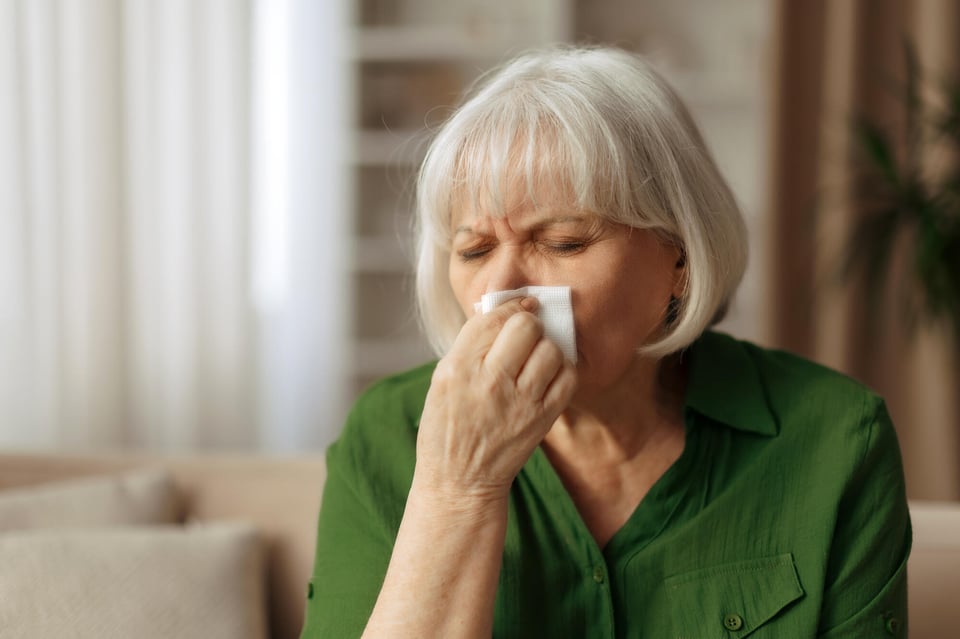
Spring allergy season doesn't have a sharp "end" date in Oklahoma. It gradually transitions into a different phase of pollen exposure, which could either help or continue to bother seasonal allergies.
According to the CDC, nearly 1 in 3 U.S. adults reported some kind of seasonal allergy, eczema, or food allergy in 2021. One of the most common conditions is hay fever, which comes with sneezing, watery eyes, and itchiness. Luckily, Oklahoma City, OK, has plenty of indoor activities, such as world-class museums and various social hubs.
But when do spring allergies end, and can seniors expect relief then?
What Is Causing Allergies to Be So Bad Right Now?
Springtime is often known as the time when seasonal allergies are at their worst. There are a few key reasons why these allergies appear especially severe in Oklahoma City.
Multiple Pollen Sources Overlapping
Oklahoma has an unusual mix of allergenic plants that create pollen almost year-round.
Cedar and Juniper pollens appear as early as late winter. Tree pollens peak in spring. Grass pollens follow in late spring and into early summer.
Because these cycles overlap rather than occur in isolated windows, many people feel like allergy season never fully lets up.
Local Weather Patterns
Oklahoma's weather, which tends to be warm, dry, and windy, helps pollen spread widely. Dry conditions also mean pollen isn't washed out by rain as often, so levels stay elevated.
Climate Trends
Allergy seasons nationwide are starting earlier and lasting longer due to broader climate shifts. Spring symptoms may begin sooner and extend farther into the year than in past decades.
Air Irritants Beyond Pollen
Factors like wildfire smoke drifting into Oklahoma can worsen respiratory irritation in the spring. This makes allergy symptoms feel more intense, especially for older adults with weaker immune or respiratory systems.
When Do Spring Allergies End in Oklahoma?
Unfortunately, the allergy season duration in OKC isn't a strict one. While pollen symptoms begin as early as February or March, they can stretch into late spring and early summer. You're looking at February going into June, at the worst.
Tree pollen often reaches its highest levels in April, and many sufferers report their worst symptoms during this stretch. As tree pollens taper off, grass pollens become more prevalent and keep allergy symptoms going into early summer.
Seniors should note that strong winds and warm spells in May can lead to grass pollen peaks, which can cause further irritation.
Seasonal Respiratory Concerns for Older Adults
For seniors, allergies pose more than a nuisance. They can aggravate underlying health issues such as asthma, COPD, or cardiovascular disease.
Weakened immune responses in older adults can make the inflammatory effects of pollen more pronounced. Respiratory irritation can mimic or exacerbate chronic conditions. Side effects from certain medications may also have a larger impact on seniors.
Senior Allergy Planning in Oklahoma
Part of spring health awareness in OKC means planning for pollen. If you're a senior or caring for one, these are some practical steps to navigate spring allergies.
Know the Pollen Cycles
Understanding the Oklahoma City pollen timeline for seniors can help you plan outdoor activities. Since tree pollens often peak first, you can always push back events to after April. Alternatively, people with grass allergens might want to schedule outdoor events before May.
Start Medications Early
Discuss with your doctor whether to begin antihistamines or nasal sprays in late winter or early spring before symptoms hit hard. Many specialists recommend starting treatment two to four weeks before peak pollen.
Monitor Daily Pollen Counts
Pollen levels fluctuate significantly day to day. Using local pollen trackers lets you avoid spending extended time outdoors when counts are especially high.
Improve Indoor Air Quality
A good amount of allergy exposure happens indoors after coming in from outside. To help manage that issue, try:
- Sealing windows during high pollen day peaks
- Running HEPA air purifiers
- Changing HVAC filters regularly
- Change your clothes when you come inside from outdoor activities
These steps can reduce indoor airborne allergens that continue to irritate respiratory systems.
Hydration and Lifestyle
Simple measures go a long way in minimizing lingering pollen exposure.
Stay hydrated, use saline rinses, and wash clothes and hair after being outside. If you want to stay active, try indoor walking workouts. Consider wearing a mask when you do need to go out.
Frequently Asked Questions
When Do Spring Allergies Usually Start in Oklahoma City?
In and around Oklahoma, spring allergies can begin as early as February or March, especially with cedar and early tree pollen. How they affect people with seasonal allergies will depend on the individual.
Does Spring Allergy Season Ever Truly "End"?
There isn't a single cut-off date you can expect seasonal allergies to end. As one group of allergens wanes, another can rise. Symptoms can last from early spring into early summer, as a result.
It's important to consistently take your allergy medication, even when symptoms lessen.
Why Do Some People Feel Worse on Windy Days?
Wind increases pollen spread, carrying fine pollen grains over larger areas and keeping them airborne longer, which heightens exposure. The best option for seniors with seasonal allergies is to stay indoors on these days to prevent symptoms from worsening.
Are There Any Natural Ways to Reduce Symptoms?
In addition to medical treatments and avoiding peak pollen times, using indoor air filtration can help. Wearing a cloth mask can help protect you from most pollen. However, they won't do much if you have eye allergies or skin reactions.
Always check with a doctor before trying new remedies.
Avoiding Spring Allergens in Oklahoma
So, when do spring allergies end for seniors in Oklahoma? Spring allergies are influenced by overlapping plant pollination cycles, local weather, and broader climate shifts. Understanding these patterns, combined with proactive planning, can make the pollen season easier to manage and less threatening.
Morada Southridge is a senior living community that provides assisted living services for our residents. Our enriching activities include art workshops, wellness classes, and social gatherings with live music, and our residents enjoy amenities such as housekeeping and chef-prepared dining. Contact us with any questions about the community and to schedule a tour.
-2.jpeg?width=1200&height=541&name=1-web-or-mls-SW%2089th%20St-002%20(2)-2.jpeg)